S M Y A 'S
Pranayama Course
Create a firm and solid foundation of yogic training to transform self-life and guide people who truly need it.
At SMYA – Shree Mahesha Yog Academy, the PS (Pranayama Sadhana Course) is not just a breathing program — it is a powerful inner transformation journey. Designed under the spiritual guidance of Yogacharya Shree Mahesha, this course builds a strong foundation in authentic yogic pranayama practices rooted in classical yogic wisdom.
Breath is life. When breath is disturbed, mind is disturbed. When breath is disciplined, life becomes disciplined.
SMYA’s PS course helps you understand the science, spirituality, psychology, and therapeutic dimensions of pranayama. Whether you are a yoga practitioner, teacher, healer, or a seeker of self-growth, this course trains you to master the subtle science of prana (life-force energy) and apply it practically for physical health, emotional balance, mental clarity, and spiritual elevation.
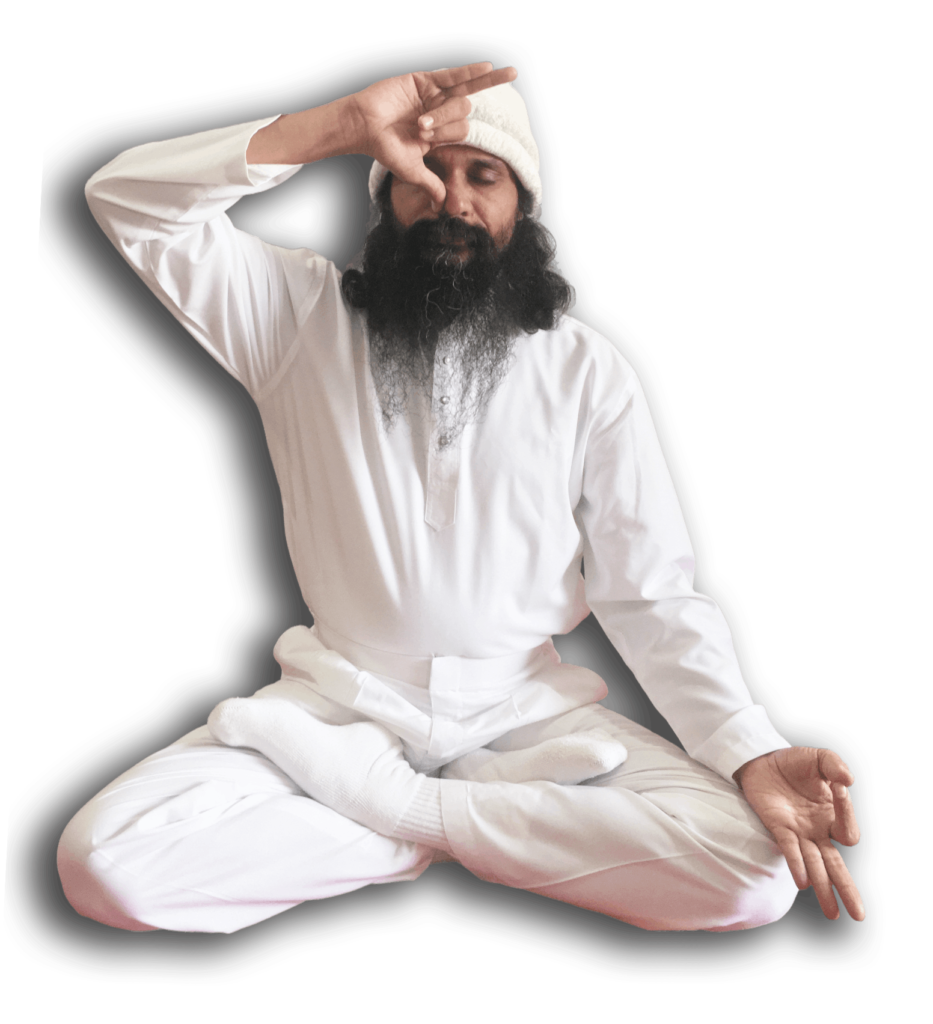
This Course Is FOR YOU If You Are
Ready to Take Sincere Action
You are ready to stop delaying and commit to regular Pranayama practice, developing greater breath awareness, discipline, control, and consistency through sincere daily Sadhana.
Ready for Daily Sadhana Discipline
You are prepared to establish a regular Pranayama routine, practise with awareness, follow guidance sincerely, and make conscious breathing an enduring part of your lifestyle.
Prepared to Transform Your Breathing
You are willing to observe your breathing habits, correct limitations, develop conscious breathing, and gradually build greater respiratory awareness and control through authentic yogic practices.
Seeking REAL Pranayama Sadhana – Not Hype
You want authentic Pranayama rooted in yogic wisdom, disciplined practice, proper methodology, and genuine experience—not quick-fix breathing techniques, exaggerated promises, or superficial wellness trends.
Willing to Trust the Process
You understand that meaningful progress in Pranayama requires patience, consistency, proper guidance, and gradual development rather than forcing techniques or expecting instant transformation.
Hungry for Inner Growth
You seek greater awareness, mental steadiness, emotional balance, and inner development, and are ready to use disciplined Pranayama Sadhana as a pathway toward personal transformation.
This Course Is NOT For You If…
You Expect Instant Results
You Seek Knowledge Without Sincerity
You Want Others to Do the Work
You Avoid Discomfort and Self-Observation
You Are Searching for Shortcuts
You Cannot Maintain Regular Practice
Curriculum of SMYA’s Pranayama Sadhana (PS) Course
This is the foundational philosophy of the PS Course. Before practising Pranayama, a student must understand what Pranayama is, why it is practised and what its real aim is.
You will explore:
- The science and fundamental wisdom of Pranayama.
- What is Pranayama and the different types of Pranayama.
- The fundamental aim and objectives of Pranayama Sadhana.
- The three important and basic foundations required for Pranayama Sadhana.
- Main Pranayama practices and their traditional purpose.
Pranayama and the ratio of breath. - Different types of breathing ratios and their progressive application.
- Advantages and health purposes of Pranayama.
- Three dimensions of Pranayama benefits—physical, mental and spiritual.
- Important things to keep in mind during Pranayama practice.
Precautions, restrictions and responsible practice principles. - Different Pranayama types, their aims and objectives.
- Understanding Cosmic Energy and its relationship with Pranayama.
- The use and importance of Pranayama in Yogasana practice.
- Yogic understanding of Pranayama circulation and the Nadis system.
- Relationship between Prana, breath, mind and consciousness.
Core Understanding:
The student learns that Pranayama is not merely a collection of breathing exercises. It is a systematic yogic discipline through which breath awareness develops into pranic awareness, mental steadiness and deeper inner consciousness.
- Seven foundational breathing techniques for Pranayama preparation.
- Pre-preparation of the respiratory system for Pranayama Sadhana.
- How to improve breathing capacity, control and consciousness.
- The real breathing technique for Pranayama Sadhana and lifelong application.
- Development of awareness of inhalation and exhalation.
- Preparation for comfortable and controlled breath retention.
- Gradual improvement of breath-retention capacity.
- Improving expansion and contraction capacity of both lungs.
- Developing better awareness of the movement of the diaphragm and rib cage.
- Preparation of the respiratory pathways.
- Understanding the importance of sinus cleanliness.
- Sinus cleaning as a basic preparation for Pranayama Sadhana.
- Developing smooth, rhythmic and conscious breathing.
- Identifying common faulty breathing habits.
- Preparing the body and mind for advanced Pranayama.
This is the major practical component of the PS Course. Students progressively learn a wide range of traditional Pranayama and breath-based practices.
- Anulomvilom Pranayam
- Bhastrika Pranayam
- Ujjayi Pranayam
- Suryabhedan Pranayam
- Bhramric Pranayam
- Shitali Pranayam
- Nadbrahma Pranayam
- Ajapa Sohum Pranayam
- Sahaj Pranayam
- Prachardan Vidharna Pranayam
- Antar gaman Pranayama
- Sukshma Anulom Vilom Pranayam
- Maha Mudra Pranayama
- Shitkari Pranayam
- Murcha Pranayama
- Sahit Kumbhak Pranayam & its types
- Chandrabhedaa Pranayam
For Every Practice, Students Study:
- Meaning and purpose.
- Aim and objective.
- Correct sitting position.
- Breathing pattern.
- Awareness during practice.
- Appropriate progression.
- Common mistakes.
- Precautions and restrictions.
- Appropriate duration and repetition.
- When the practice should be avoided.
- How to conclude the practice safely.
- Puraka – inhalation.
- Rechaka – exhalation.
- Antar Kumbhaka – internal retention.
- Bahir Kumbhaka – external retention.
- Basic principles of breathing ratios.
- Progressive development of rhythm.
- How ratio affects the quality of practice.
- The relationship between breath rhythm and mental steadiness.
- Sahita Kumbhaka and its types.
- Appropriate preparation before breath retention.
- Recognising signs of over-effort.
This module takes students deeper into the subtle dimensions of Pranayama.
You will explore:
- The yogic concept of Prana.
- Pancha Prana.
- Nadis and their traditional significance.
- Ida, Pingala and Sushumna.
- Pranic circulation.
- Relationship between breath and Nadis.
- Chakras and their traditional relationship with Prana.
- Cosmic Energy and the individual energy system.
- Prana and consciousness.
- Traditional understanding of energetic balance.
This knowledge helps students understand why Pranayama is considered an internal yogic practice rather than merely respiratory exercise.
Pranayama does not exist separately from the larger Yogic discipline.
Students learn how conscious breathing can support their Yogasana practice and how Asana prepares the body for deeper Pranayama.
Students learn:
- Relationship between Asana and Pranayama.
- Breath coordination during Yogasana.
- Using breath to develop awareness.
- Preparing the body for seated Pranayama.
- Appropriate sequencing of Asana and Pranayama.
- Transition from physical practice toward subtle practice.
- Using Pranayama as preparation for meditation.
- Developing stability, relaxation and awareness.
- Pranayama and respiratory wellness.
- Breath awareness and relaxation.
- Pranayama for managing everyday stress.
- Breath and nervous-system balance.
- Supporting concentration and mental freshness.
- Breath awareness for better relaxation and sleep routines.
- Relationship between breathing habits and lifestyle.
- Developing healthy lifelong breathing habits.
Students also learn that Pranayama should be applied according to individual capacity, rather than using the same technique or intensity for everyone.
- Breath awareness during emotional changes.
- Techniques for cultivating calmness.
- Developing concentration through breath.
- Managing mental restlessness.
- Developing emotional observation.
- Improving awareness and inner silence.
- Using Bhramari and other appropriate practices for relaxation.
- Preparing the mind for Dharana and Dhyana.
- Developing mental discipline through daily Sadhana.
The objective is not to suppress emotions but to develop awareness, steadiness and conscious response.
Knowing individual techniques is not enough. A practitioner must know how to organise a complete Sadhana.
You will learn:
- How to structure a Pranayama session.
- Preparation → main practice → relaxation → inner awareness.
- Selecting appropriate practices.
- Creating beginner, intermediate and progressive practice sequences.
- Daily Pranayama Sadhana planning.
- Practice timing and environment.
- Maintaining regularity.
- Self-observation during practice.
- Maintaining a Sadhana journal.
- Understanding personal progress.
- Avoiding unnecessary over-practice.
The final stage brings together everything learned throughout the course.
Students demonstrate their understanding through personal practice, theoretical learning and practical teaching.
Assessment Areas:
- General precautions for Pranayama.
- Importance of gradual progression.
- When breath retention requires special caution.
- Understanding individual limitations.
- Recognizing discomfort and warning signs.
- Appropriate modifications.
- Situations where particular techniques may be restricted.
- Importance of qualified supervision for advanced practices.
- Difference between wellness practice and medical treatment.
- When referral to an appropriate healthcare professional is necessary.
The PS Course develops not only a practitioner but also the ability to guide others responsibly.
- Demonstrating Pranayama.
- Giving clear verbal instructions.
- Explaining technique in simple language.
- Correcting common mistakes.
- Observing breathing patterns.
- Creating structured classes.
- Selecting suitable practices.
- Managing different levels of practitioners.
- Giving appropriate precautions.
- Creating a peaceful and disciplined practice environment.
- Conducting supervised teaching sessions.
- Developing confidence as a Pranayama instructor.
The final stage brings together everything learned throughout the course.
Students demonstrate their understanding through personal practice, theoretical learning and practical teaching.
Assessment Areas:
- Understanding of Pranayama philosophy.
- Knowledge of Prana and Nadis.
- Understanding of breathing principles.
- Correctness of practical techniques.
- Understanding of ratios and Kumbhaka.
- Personal Sadhana discipline.
- Knowledge of precautions and restrictions.
- Ability to create a Pranayama sequence.
- Teaching and communication skills.
- Practical demonstration.
- Understanding of responsible application.
The PS Course aims to develop a practitioner who can:
Understand Pranayama → Practise Pranayama → Experience Pranayama → Develop Sadhana → Guide Others Responsibly
What you get and how this course will prepare you
You will first understand the fundamental philosophy and science of Pranayama. Rather than blindly following instructions, you will learn what Pranayama means, why it is practised, what its objectives are, and how it fits into the complete path of Yoga.
You will explore Prana, breath, mind, consciousness, Pancha Prana, Nadis and the traditional purpose of Pranayama. This foundation gives meaning to your practice.
Before going into deeper Pranayama, the respiratory system needs preparation.
You will learn specific pre-preparation and breathing practices designed to develop awareness, control and capacity. You will work progressively with breathing patterns, lung expansion and contraction, respiratory awareness and breath coordination.
The purpose is simple: prepare first, progress later.
Many people breathe every day without ever becoming aware of how they breathe.
This course helps you understand conscious and yogic breathing. You will learn to observe inhalation, exhalation, pauses, rhythm and natural breath patterns.
You will gradually develop the ability to make your breathing smooth, conscious, controlled and relaxed, rather than forced.
You will receive practical training in a wide range of Pranayama practices included in the SMYA PS curriculum, such as:
- Anulom Vilom
- Bhastrika
- Ujjayi
- Surya Bhedana
- Chandra Bhedana
- Bhramari
- Sheetali
- Sheetkari
- Nad Brahma
- Ajapa Sohum
- Sahaj Pranayama
- Sukshma Anulom Vilom
- Prachchhardan–Vidharan
- Murchha
- Sahit Kumbhaka and its types
- Other progressive Pranayama practices
You will learn not only how to perform each practice, but also its purpose, methodology, awareness points, precautions and appropriate progression.
Pranayama is not simply about taking a deep breath.
You will understand the relationship between Puraka (inhalation), Rechaka (exhalation) and Kumbhaka (retention) and learn why breathing ratio and rhythm are important.
The course teaches you to approach breath retention progressively and responsibly, without turning Pranayama into a competition.
One of the important outcomes of regular practice is developing greater control over the breath.
You will work on:
- Breath awareness
- Breath rhythm
- Breath coordination
- Comfortable breath retention
- Respiratory control
- Concentration during practice
- Awareness of subtle changes in breathing
The aim is to develop control with relaxation, not control through force.
The course introduces you to the deeper yogic understanding of the energy system.
You will study:
- Prana
- Pancha Prana
- Nadis
- Ida
- Pingala
- Sushumna
- Pranic circulation
- Relationship between breath and subtle energy
- Traditional understanding of Chakras
- Cosmic Energy and Prana
This helps you understand why Pranayama holds such an important place in traditional Yoga.
Your breath changes when your mind changes.
When you are angry, afraid, excited or stressed, your breathing changes. When you become calm, the breath naturally becomes different.
Through practice, you learn to observe this relationship directly.
The course helps you develop greater self-awareness, concentration, relaxation and emotional steadiness through conscious breathing.
Pranayama is an important preparation for deeper internal practices.
You will learn how a disciplined breathing practice can support:
Pranayama → Pratyahara → Dharana → Dhyana
The objective is to gradually make the breath steady and the mind more prepared for inward awareness.
You will understand that Pranayama is not an isolated exercise—it can become a bridge between Yogasana and meditation.
Knowledge becomes powerful when it becomes regular practice.
You will learn how to develop your own Sadhana according to your level, capacity and practice objectives.
You will understand:
- How to begin a session.
- How to prepare the body and breath.
- How to select appropriate practices.
- How to arrange practices in sequence.
- How to gradually progress.
- How to observe your experience.
- How to maintain consistency.
- How to integrate Pranayama into daily life.
The objective is to make Pranayama a part of your lifestyle, not merely a classroom activity.
A good Yoga practitioner must know the limitations of every practice.
You will learn important principles related to:
- Individual capacity.
- Progressive practice.
- Breath retention precautions.
- Contraindications and restrictions.
- Recognising discomfort.
- Appropriate modifications.
- When not to practise.
- When professional medical guidance may be required.
This develops a responsible attitude toward Pranayama.
True mastery is not about how much you can do. It is knowing what is appropriate for you.
You will learn how breath awareness can be integrated with Yogasana.
You will understand:
- Breath coordination with movement.
- Using breath to develop awareness.
- Preparing the body for Pranayama.
- Transitioning from physical practice to internal practice.
- Appropriate sequencing of Asana, Pranayama and relaxation.
- Using Pranayama as preparation for meditation.
This creates a more complete understanding of the Hatha Yoga and traditional yogic approach.
If your goal is to teach Yoga, the PS Course helps you move from practitioner to responsible guide.
You will learn how to:
- Demonstrate Pranayama.
- Explain techniques clearly.
- Give step-by-step instructions.
- Observe a student’s breathing.
- Identify common mistakes.
- Provide appropriate corrections.
- Create structured Pranayama sessions.
- Adapt practices according to individual needs.
- Maintain a safe and disciplined learning environment.
You will learn that teaching Pranayama is not simply saying, “Inhale and exhale.”
A teacher must understand the person, the practice and the purpose.
The course gives importance to practice and experience.
Through guided practice and teaching opportunities, you gradually develop confidence in your own ability.
You will have the opportunity to experience:
Learning → Practising → Observing → Correcting → Teaching
This practical approach helps convert theoretical knowledge into usable yogic skills.
Pranayama teaches an important lesson: progress cannot be forced.
Regular practice develops patience, discipline, awareness and respect for the yogic process.
You learn to observe your own progress rather than comparing yourself with others.
This is where Pranayama gradually changes from an exercise into Sadhana.
After successful completion:
- You receive certification from SMYA.
- You gain structured teaching confidence.
- You build authority as a trained pranayama practitioner.
- You enhance your professional yoga profile.
This helps in career growth in yoga teaching and wellness guidance.
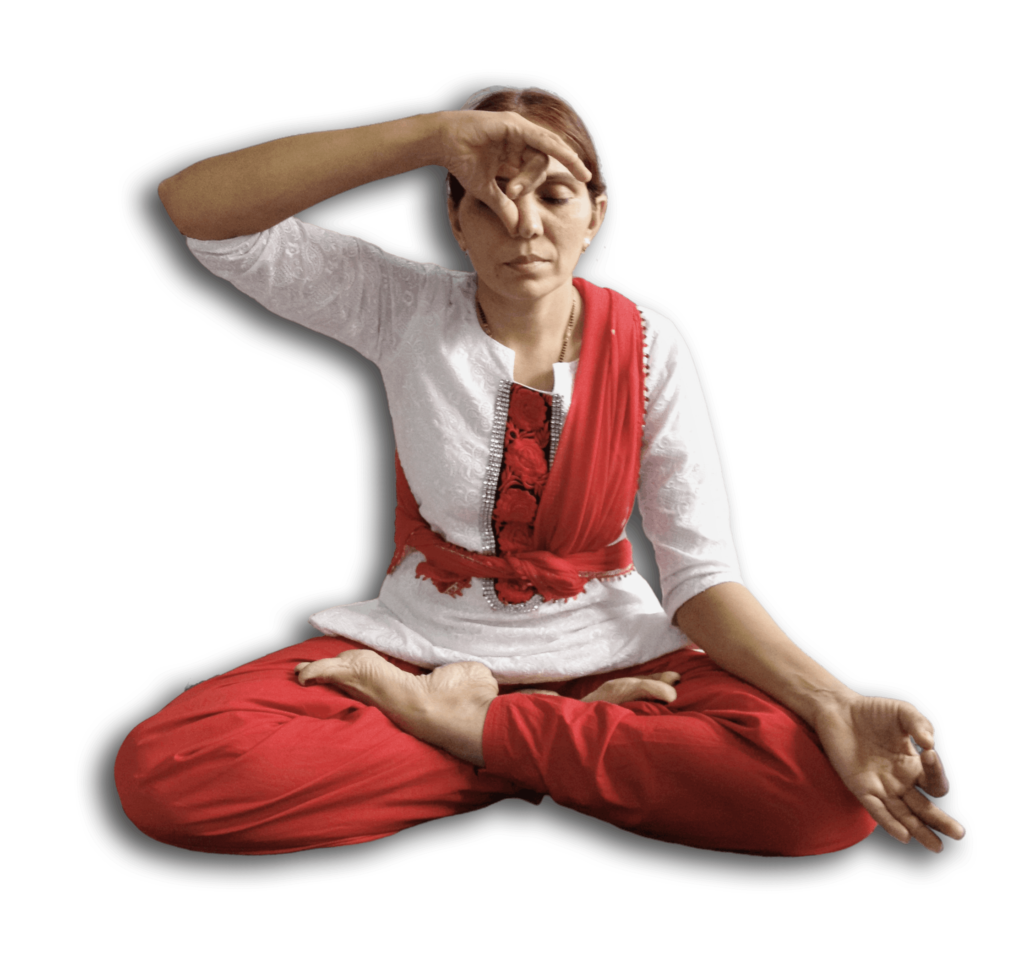
Don’t Just Breathe. Learn the Science of Your Breath.
Your breath is with you every moment—but how consciously do you use it?
If you are ready to move beyond ordinary breathing, develop disciplined Pranayama Sadhana, understand Prana, and deepen your journey into authentic Yoga, this is your time to begin.
ENROLL NOW — BEGIN YOUR PRANAYAMA SADHANA
SMYA’s Pranayama Sadhana (PS) Course is designed with one clear intention—to help a practitioner move from ordinary breathing to conscious breathing, from conscious breathing to Prana awareness, and from Prana awareness toward inner transformation. The course combines traditional yogic wisdom, systematic practice, personal Sadhana and practical teaching guidance.
1. Authentic Yogic Understanding of Pranayama
The course begins with the wisdom behind Pranayama rather than immediately jumping into techniques. You understand what Pranayama is, why it is practised, its traditional purpose, and how it relates to Prana, mind and consciousness. This foundation helps you practise with understanding instead of simply copying breathing movements.
2. Strong Pranayama Base Before Advanced Practice
A major specialty of SMYA’s PS Course is its emphasis on preparation. Students first develop the capacity, control and consciousness required for Pranayama. Respiratory preparation, breathing awareness, lung expansion and contraction, and foundational breathing techniques help create a stronger base for progressive practice.
3. Extensive Practical Pranayama Training
Students are exposed to a broad range of traditional practices, including Anulom Vilom, Bhastrika, Ujjayi, Surya Bhedana, Bhramari, Sheetali, Sheetkari, Chandra Bhedana, Nad Brahma, Ajapa Sohum, Sahaj Pranayama, Sukshma Anulom Vilom and other practices included in the course structure. Each practice is approached with technique, purpose, awareness and precautions.
4. Learning the Ratio and Rhythm of Breath
Pranayama is not simply about breathing faster or deeper. Students learn the importance of Puraka, Rechaka and Kumbhaka, along with the concept of appropriate breathing ratios and rhythm. The focus is on developing a steady and controlled breath without unnecessary force.
5. Special Focus on Prana & Nadis
The course takes students beyond the physical respiratory system and introduces the traditional yogic understanding of Prana, Pancha Prana, Nadis, Ida, Pingala and Sushumna. This gives practitioners a deeper perspective on why Pranayama has such an important place in classical Yoga.
6. Breath as a Bridge Between Body and Mind
One of the most valuable experiences of Pranayama is discovering how closely breath and mind are connected. Through guided practice, students learn to observe changes in breathing during stress, relaxation, concentration and emotional states. This develops greater self-awareness and mental steadiness.
7. Preparation for Meditation and Higher Yogic Practices
Pranayama is treated as an important bridge toward deeper internal practices. Regular practice can help cultivate the steadiness, awareness and concentration required for meditation. Students learn how Pranayama can be integrated into a broader journey of Yogasana, Dharana, Dhyana and spiritual Sadhana.
8. Personal Sadhana Development
The course encourages students to develop their own daily practice rather than remaining dependent on classroom sessions. Students learn how to create a realistic Pranayama routine, observe their progress, maintain discipline and gradually make conscious breathing a part of everyday life.
9. Strong Emphasis on Safety & Precautions
SMYA’s approach recognises that every practitioner is different. Students learn about precautions, restrictions, individual capacity, progressive practice and situations requiring modification or professional guidance. The objective is to develop respect for the practice rather than an attitude of competition.
10. Practical Teaching & Coaching Skills
For students who want to guide others, the course develops practical teaching skills. You learn how to explain techniques, demonstrate correctly, observe practitioners, identify common mistakes, structure sessions and provide responsible guidance.
11. Integration with Yogasana & Lifestyle
Pranayama is connected with the complete yogic lifestyle. Students learn how breathing can complement Yogasana, relaxation, meditation and daily discipline. The goal is to understand Yoga as a way of living consciously, not simply something performed for a short period each day.
12. Transformation Through Sadhana
The greatest specialty of the PS Course is its focus on experience. Knowledge gives direction, practice gives experience, and Sadhana creates transformation. The journey is designed to help the practitioner become more aware, disciplined, balanced and responsible.
13. From Practitioner to Responsible Guide
The ultimate aim is not merely to make you someone who knows many Pranayama techniques. It is to develop someone who understands the purpose, methodology, progression and responsibility of Pranayama and can share that knowledge thoughtfully with others.